Introduction
When it comes to farming and livestock management, the safety of your animals should always be the top priority. With the right infrastructure, you can ensure that your livestock is protected from harsh weather conditions, predators, and other potential dangers. One such http://jaidenesmt693.lucialpiazzale.com/the-trend-towards-pole-buildings-over-conventional-garages infrastructure that stands out in terms of durability and efficiency is pole buildings. These structures are not only cost-effective but also customizable to fit various agricultural needs. In this comprehensive guide, we will delve into how to design pole buildings with a focus on ensuring the safety and well-being of your livestock.
Pole Buildings: An Overview
What Are Pole Buildings?
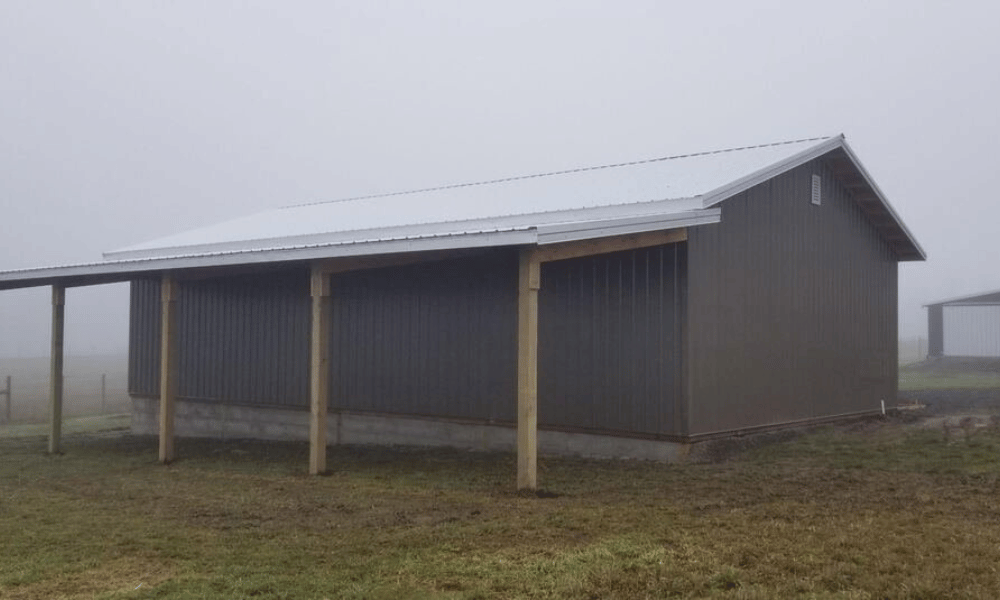
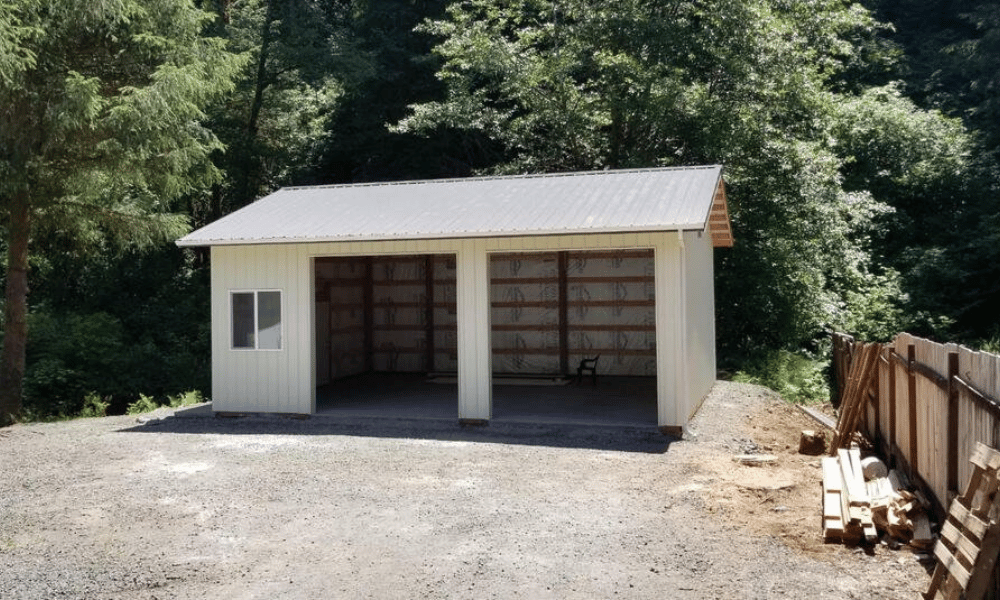
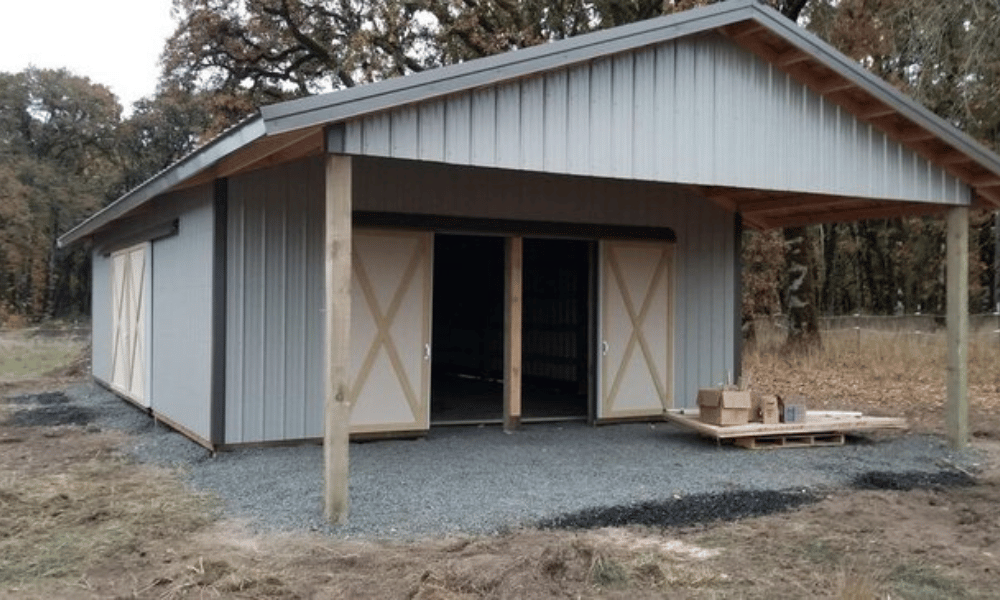
Pole buildings are a type of post-frame construction where vertical posts are embedded in the ground or anchored to a concrete foundation. These structures are often utilized in agricultural settings, making them ideal for housing livestock. The design allows for spacious interiors without the need for interior load-bearing walls, maximizing usable space while minimizing material costs.
The Benefits of Using Pole Buildings for Livestock
Choosing pole buildings for your livestock has numerous advantages:
- Cost-Effectiveness: Reduced material costs compared to traditional building methods. Versatility: Can be designed for various purposes such as barns, equipment storage, or animal shelters. Quick Construction: Faster build times due to simpler design and fewer materials required. Durability: Built to withstand extreme weather conditions, helping protect your livestock.
Safety First: Designing Pole Buildings to Protect Your Livestock
Understanding Safety Risks in Livestock Management
Before diving into design specifics, it's crucial to understand the potential risks faced by livestock:
- Weather Extremes: Exposure to harsh temperatures can lead to health issues. Predator Threats: Animals like coyotes or birds of prey can pose dangers. Injury Hazards: Poorly designed spaces can lead to accidents among animals.
Design Principles for Safety in Pole Buildings
1. Location Matters
When planning your pole building's location, consider these factors:
- Proximity to water sources Drainage patterns Distance from busy roads
2. Structural Integrity
To ensure that your pole building can withstand high winds and heavy snow loads:
- Use quality materials rated for local weather conditions. Regularly inspect structural components.
3. Ventilation Systems
Good ventilation is essential for maintaining air quality and preventing respiratory illnesses among livestock:
- Plan for sufficient airflow through windows and vents. Consider installing exhaust fans in enclosed spaces.
4. Flooring Solutions
The right flooring can prevent slips and falls while promoting hygiene:
- Non-slip surfaces help reduce accidents. Concrete floors with proper drainage facilitate cleaning.
Key Elements of Safe Pole Building Design
5. Roofing Considerations
The roof plays a critical role in protecting your livestock from elements:
- Opt for durable roofing materials that resist leaks. Ensure adequate slope for water runoff.
6. Fencing Requirements
Adequate fencing keeps livestock secure from predators:
- Use strong materials capable of withstanding pressure. Regularly inspect fences for damage or wear.
7. Lighting Needs
Proper lighting enhances visibility inside the barn and reduces stress among animals:
- Utilize natural light where possible with skylights or large windows. Install energy-efficient LED lights for nighttime visibility.
Creating Comfortable Living Spaces for Livestock
8. Space Planning Essentials
Livestock require ample space to thrive:
| Animal Type | Minimum Space Required (sq ft) | |-------------|-------------------------------| | Cattle | 100 - 150 | | Horses | 100 - 120 | | Sheep | 20 - 30 |
9. Access Points Design
Designing easy access points ensures efficient movement within the building:
Wide doors allow easy entry/exit. Ramps may be necessary for older or injured animals.Safety Features You Should Never Overlook
10. Emergency Exits and Pathways
Every pole building should have clearly marked emergency exits:
Ensure pathways are unobstructed at all times. Maintain proper signage indicating exit routes.
11. Fire Safety Measures
Implement fire safety protocols such as installing fire extinguishers and creating evacuation plans:
Integrating Technology Into Your Pole Building Design
12. Smart Monitoring Systems
Modern technology offers innovative solutions that enhance safety:
13. Automated Feeding Systems
Automated feeders ensure that animals receive consistent nutrition while minimizing human interaction required during feeding times:
This reduces stress on both farmers and livestock. It also helps maintain hygiene by preventing spilled food.Maintenance Strategies for Long-Term Safety
14. Routine Inspections Are Key
Regular inspections help catch any structural issues early on:
Check poles, roof integrity, and wall condition every few months. Inspect electrical systems regularly to avoid hazards.15. Cleaning Protocols
A clean environment promotes animal health:
Implement daily cleaning schedules focusing on waste removal. Use appropriate disinfectants safe for animals.FAQs About Designing Pole Buildings
1️⃣ What are the main advantages of using pole buildings over traditional construction?
Pole buildings are generally more cost-effective, quicker to construct, versatile in use, and often more durable against adverse weather conditions than traditional buildings.
2️⃣ How do I choose the best location for my pole barn?
Consider factors such as drainage patterns, proximity to water sources, protection from wind exposure, and distance from busy roads when selecting a site.
3️⃣ What materials should I use for my pole building?
Opt for high-quality lumber treated against pests or decay, sturdy metal roofing materials designed for local climate conditions, and non-slip flooring options suitable for livestock care.
4️⃣ How important is ventilation in a pole barn?
Ventilation is crucial as it maintains air quality by reducing humidity levels and allowing fresh air circulation—this helps prevent respiratory issues among your livestock.
5️⃣ What safety features should every pole barn have?
Essential safety features include emergency exits clearly marked with signage, adequate lighting both indoors and outdoors, fire safety measures like extinguishers installed strategically around the barn area—including regular inspections—and monitoring systems if necessary!
6️⃣ How can I make my pole barn energy-efficient?
Incorporate natural light through windows or skylights; use energy-efficient lighting options like LEDs; consider insulating walls effectively depending on climate demands too!
Conclusion
Designing a safe environment with well-thought-out pole buildings is vital when it comes down to protecting your precious livestock investment! By understanding key design principles like structural integrity alongside maintenance strategies tailored specifically towards longevity & comfort—farmers can create havens where their animals thrive happily! Remember—Safety First: Designing Pole Buildings to Protect Your Livestock isn't just about building; it’s an ongoing commitment towards ensuring their welfare throughout every season!
As you embark on designing or renovating your own structure utilizing these insights mentioned here today—you’ll find peace knowing you’ve prioritized both functionality AND protection—all while keeping those four-legged friends happy & healthy!